 how-to
How to Get Owner Financing After Foreclosure in Florida
Last Updated: November 1, 2026
Quick Summary
Owner financing after foreclosure in Florida means the seller acts as the lender, so you make monthly payments directly to the owner instead of a bank. Sellers usually weigh your income and down payment more heavily than your credit history, which is why many buyers with past foreclosures use this route.
- The seller decides whether to offer terms, so no bank approval is needed.
- Sellers focus on steady income, down payment savings, and current finances.
- Self-employed buyers and 1099 contractors may apply without W-2 forms.
- Never hide a foreclosure from the seller, since honest answers build trust.
- Have a Florida real estate attorney review the contract before signing, and check title for liens.
Table of Contents
- What Owner Financing Means After a Foreclosure in Florida
- Checking Your Eligibility When Your Credit Is Damaged
- Planning Your Down Payment Without a Bank Loan
- Reviewing Owner Financing Contract Terms Before You Sign
- How the Owner Financing Foreclosure Process Works Step by Step
- Common Challenges and How to Work Through Them
- Getting Your Owner Financing Application Started
- Frequently Asked Questions
What Owner Financing Means After a Foreclosure in Florida
Owner financing after foreclosure in Florida means the seller of the home also acts as the lender. Instead of getting a loan from a bank, you make monthly payments directly to the owner. Many buyers turn to this route when banks say no after a foreclosure on their record.
Sold With Financing arranges owner financing for properties you choose. You become the owner of record, and the deed goes in your name at closing.
Here is what makes it different from a traditional mortgage:
- No bank approval. The seller decides whether to offer terms.
- Flexible qualification. Income and down payment matter more than your credit history.
- Direct payments. You pay the seller, not a large lender.
A foreclosure does not automatically disqualify you. Owner financing deals are built around the buyer's current situation, which is why many people with past foreclosures use this option. Learn whether a waiting period applies after foreclosure.
Checking Your Eligibility When Your Credit Is Damaged
Owner sellers usually care less about your credit score and more about whether you can pay. Expect them to ask about your income and savings.
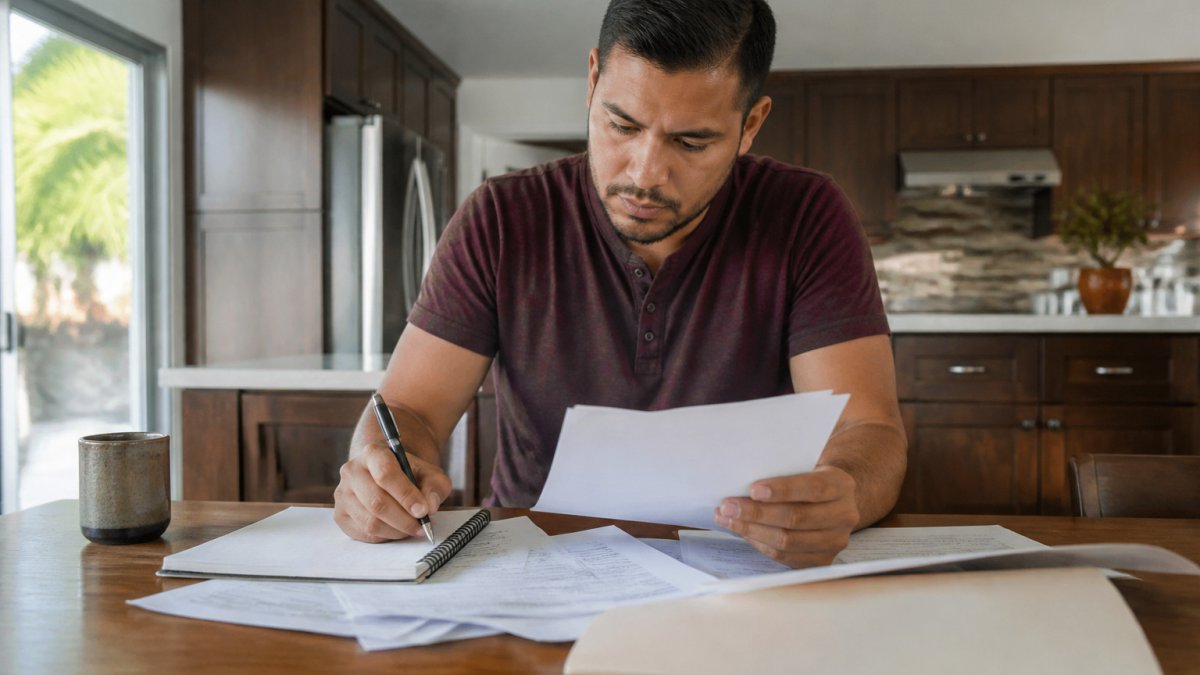
Most owners look at:
- Steady income. Pay stubs, bank statements, or tax returns.
- Down payment. Savings you can put toward the purchase.
- Current finances. How you manage money today.
Self-employed buyers and 1099 contractors may be able to apply without W-2 forms. ITIN holders can also apply, since no Social Security number is required.
Watch out: Do not hide a foreclosure from the seller. Honest answers build trust and speed up the deal.
Planning Your Down Payment Without a Bank Loan
A down payment is the most important part of your plan. Sellers want to see that you have skin in the game.
Start by answering these questions:
- How much cash can you save for the down payment?
- Can family or savings cover closing costs?
- Do you have a few months of expenses set aside?
Many owner-financed deals ask for a meaningful down payment. Down payment requirements depend on the property and the terms offered. Contact Sold With Financing on its website for current requirements.
Reviewing Owner Financing Contract Terms Before You Sign
The contract decides your rights as a buyer. Read every line before signing.
Pay close attention to these terms:
- Interest rate and payment schedule. Know exactly what you will pay each month.
- Balloon payments. Some contracts require a large lump sum later. Avoid these if you can.
- Prepayment penalties. You should be able to pay off early or refinance without a fee.
- Deed transfer. Confirm the deed is recorded in your name at closing.
Ask for a copy of the full contract early, and have a Florida real estate attorney review it before you sign.
How the Owner Financing Foreclosure Process Works Step by Step
Here is the typical path from first conversation to ownership:
- Find the property. Choose a home that fits your budget and needs.
- Share your finances. Send income and down payment details.
- Agree on terms. Negotiate price, down payment, and monthly payments.
- Sign the contract. Review it with an attorney first.
- Close and record. The deed transfers to you and is recorded with the county.
Verifying Title and Liens
Before closing, check that the seller actually owns the property free of problems. A title search finds liens, unpaid taxes, or claims against the home.
Ask whether a title insurance policy is available. It can protect you if a hidden claim appears later (What is owner's title insurance?). This step matters most when the property was recently foreclosed, because older debts can sometimes stay attached to it.
The typical path from first conversation to ownership follows five steps, summarised below.
| Step | What to do | Time or frequency |
|---|---|---|
| Find the property | Choose a home that fits your budget and needs | Before any contract |
| Share your finances | Send income and down payment details | Early in the process |
| Agree on terms | Negotiate price, down payment, and monthly payments | Before signing |
| Sign the contract | Review it with an attorney first | Before closing |
| Close and record | Deed transfers to you and is recorded with the county | At closing |
Common Challenges and How to Work Through Them
Owner financing is not perfect. Here are common issues and fixes:
- High interest rates. Compare the rate to market mortgage rates and negotiate.
- Unclear contract language. Ask an attorney to explain confusing clauses.
- Liens on the property. Use a title search and resolve them before closing.
- Missed payments. Set up automatic payments and keep a cash cushion.
Plan for these before you sign. Most problems are easier to fix at the start than after you move in.
Getting Your Owner Financing Application Started
Ready to see if you qualify? Gather these documents first:
- Recent pay stubs or 1099s
- Two to three months of bank statements
- Proof of your down payment savings
- Photo ID and your ITIN or Social Security number
Our process focuses on your income and down payment, not a minimum credit score. Visit our website to see if you qualify for owner financing in Florida.
Frequently Asked Questions
Can you get owner financing after a foreclosure?
Yes, in many cases. Owner financing is arranged directly between buyer and seller, so the seller sets the qualification standards rather than a bank's underwriting rules. A past foreclosure does not automatically disqualify you, but sellers typically look at your income stability, your down payment, and how long ago the foreclosure happened. Be ready to explain the circumstances and show documentation of your current finances. Sold With Financing reviews income and down payment rather than requiring a minimum credit score, so you can contact the company to see whether your situation fits.
Do you need a minimum credit score for owner financing?
Not necessarily. Owner financing contracts are negotiated between the buyer and the seller, so there is no universal credit score cutoff set by a lender. Sold With Financing does not require a minimum credit score and focuses on your income and down payment for qualification. Other sellers may set their own requirements, so compare terms carefully. Ask any seller directly what they look for before you submit a full application.
What should an owner-financing agreement include?
A complete owner-financing agreement should state the purchase price, down payment, interest rate, monthly payment amount, loan term, and the consequences of late payments. It should confirm that the deed is transferred to your name at closing and address whether balloon payments or prepayment penalties apply. Review these terms with a Florida real estate attorney before signing. Sold With Financing outlines fixed monthly payments and the ability to refinance or pay off early without penalty, which you should verify in writing in your contract.
How can you check the title and liens before buying an owner-financed home?
Order a title search and title insurance through a licensed Florida title company before closing. The search reveals existing mortgages, judgments, tax liens, and other claims against the property. Confirm that the seller actually holds clear title, especially after a foreclosure, since prior lien holders may have left claims on record. Your attorney or title agent can explain any exceptions found and whether they must be resolved before you take ownership.